
Local geology piura castilla 2018 c4d
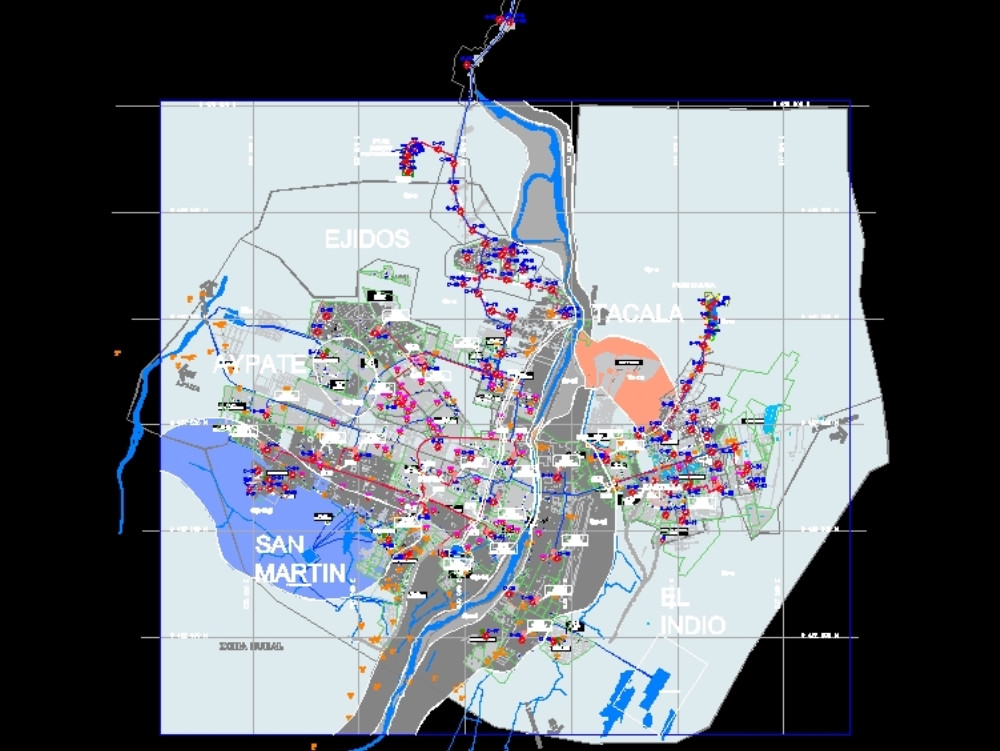


The local geological studies carried out by francisco fidalgo indicate that the landscape of the area responds to processes developed under different climatic conditions in the different moments of its evolution. the geology of the zone basically comprises a base rock or substrate; upon which the landscape evolved; and a set of lithostratigraphic units (linked to the type of sediments) and esophostratigraphic units (related to the type of soils); product of that evolution. the substrate is constituted by the so-called pampean formation; composed by an arch-shaped slime to sandy reddish-brown silt; sometimes with whitish tones related to the concentration of calcium carbonate. this rock is generally located in the high parts of the relief; integrating both the main and secondary watersheds and possibly their age is middle-upper pliocene. after a great hiatus; in the depressions of this formation sediments were deposited corresponding to the lujan formation (clay and sandy silts of fluvial and / or lacustrine origin) and simultaneously others of aeolian origin (broadly coarse slimes to fine sand with subordinate quantities of clay); assimilated to the formation the last one. the hillock where it finds the site 2 of dry stream is integrated precisely by sediments of this last geologic formation and in her four units were determined. the first; called x; it is the current floor; highly disturbed by the plow. the second; y; it is a thickness of 0; 40 to 0; 30m of coarse silt to fine sand; with very subordinate quantities of clay. then s is located; sector from 0; 05 to 0; 10m thick; with a clear concentration of calcium carbonate. finally; z appears similar to and; but with more grayish tones; that extends up to 4 m deep; where it supports sediments assignable to the luján formation. while the process of formation of the units integrated by wind sediments is quite clear; it was not yet possible to determine how the calcium carbonate concentration of the s unit was produced nor the reason for the pronounced undulations that it presents: one of the possibilities considered is that the shape and characteristics of this layer could be related to activities of the men or their burials; since its presence is restricted only to the area of human occupation.